

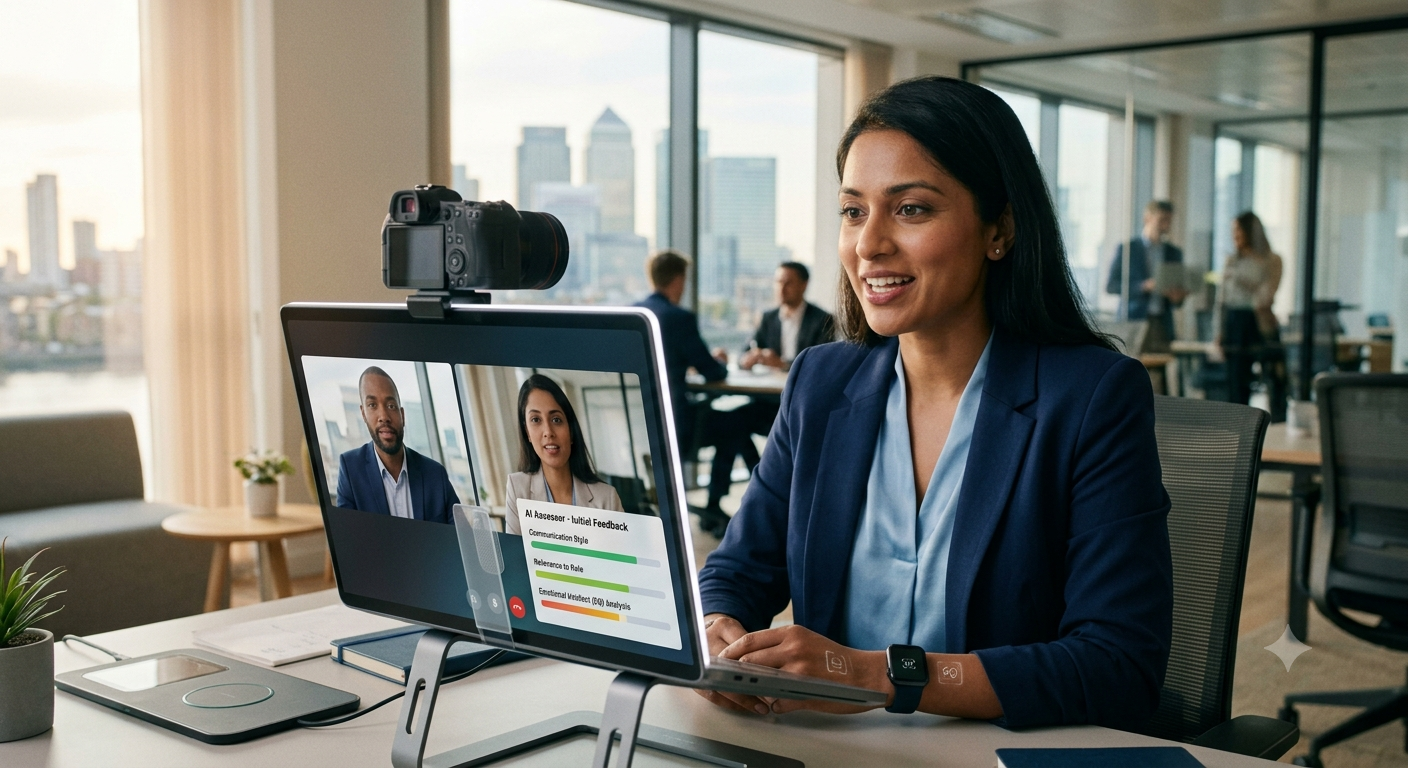
Hiring has changed fast over the past few years. Interview platforms have changed with it, too. They started as basic video call tools. Now they have grown into full systems that integrate artificial intelligence, skills tests, interview tracking, and automated processes.
Digital interview platforms help businesses streamline their recruitment processes, ensure consistency, and hire the right candidates. In 2026, AI is becoming more advanced, and many businesses are moving away from video interviews toward intelligent systems that save time, are unbiased, and are data-driven.
Evolution of Digital Interview Platforms
These platforms first emerged to solve the problem of conducting interviews from different locations. Video calls helped make hiring easier. But recruiters still had to arrange times, judge answers, write notes, and share feedback on their own.
Today, the platforms do much more. They combine AI screening, set interview questions, coding tests, automatic scheduling, team sharing, and hiring data. They do not just copy in-person meetings. They provide businesses with effective hiring methods and reduce unnecessary tasks.
How AI Is Reshaping Candidate Interviews
In the recruitment process, AI has proven to be a valuable tool. It is a facilitator that helps companies operate faster. AI streamlines repetitive tasks, provides clear analysis of interviews, and ensures that evaluations remain fair for all candidates. More businesses are adopting AI for hiring because these platforms make the hiring process faster and can handle more interviews.
AI-Powered Candidate Screening
AI will scan resumes and applications in seconds and compare them with the job requirements. This saves recruiters so many hours and allows them to focus on better candidates.
Intelligent Interview Assistants
New platforms have AI tools that create interview questions, summarize conversations, keep notes organized, and highlight main ideas. This will then allow the interviewers to focus on communicating with the candidates rather than writing everything down.
Skills-Based Assessments
Companies don’t just want to see resumes today. They try to determine whether the candidate has the right skills. These platforms feature coding challenges, job simulations, technical problems, and real-world problems that demonstrate a candidate’s abilities.
Automated Candidate Evaluation
AI helps create clear scorecards based on key skills rather than personal opinions. Recruiters still make the final decision, but they have a reliable way to compare candidates.
Interview Analytics
AI reviews the information to show hiring patterns, check if interviewers stay consistent, measure results, and find ways to improve the process using real numbers.
What Businesses Should Look for in Digital Interview Platforms
There’s more to consider than just videos when picking a platform. Companies need tools to help them hire in a secure, clear, and comfortable manner.
AI-Powered Automation
Scheduling, reminders, notes, candidate messages, and scoring steps should be automated. However, control over the key hiring decisions should be retained by the people.
Seamless Integrations
The platform needs to connect easily with your Applicant Tracking Systems, HR programs, calendars, coding tools, and other systems you already use.
Security and Compliance
These platforms hold private candidate details. Choose ones with strong protection, secure data storage, proper access controls, and compliance with privacy laws.
Candidate Experience
The interface should be simple to use. Good options for scheduling times, working on phones, and clear steps help candidates feel positive during the process.
Scalability
As companies grow, the platform should support more teams, multiple offices, and larger hiring needs without becoming overly complicated.
Will AI Replace Human Interviewers?
Even with significant advances in artificial intelligence, human recruiters remain important. AI handles routine tasks, organizes details, and supports fair scoring. But it cannot judge how people connect, fit with the company’s values, demonstrate leadership, or handle emotions.
Future hiring will combine AI speed with human thinking. Recruiters will use AI for everyday tasks and spend more time on real talks, important decisions, and connecting with candidates.
Future of Digital Interview Platforms
As artificial intelligence continues to advance, interview platforms will become more sophisticated and flexible. They will serve as comprehensive talent systems that support every step of the hiring process.
New developments we expect include:
- Conversational AI interview assistants
- Agentic AI recruitment workflows
- Predictive hiring analytics
- Personalized candidate journeys
- Adaptive interview experiences
- Skills-first hiring models
- Multimodal candidate assessments
- Human-AI collaborative recruitment
Conclusion
The growth of digital interview platforms shows hiring is becoming smarter, quicker, and more balanced. Companies that use these AI tools can hire people more efficiently, handle less paperwork, and choose better while giving candidates a good experience.
Businesses looking to accelerate this transformation can turn to Harjai AI. We have been providing advanced AI solutions to businesses that automate hiring steps, increase candidate interest, and enable smart hiring through made-to-order AI.

Rohan Kapoor writes about AI recruitment, hiring automation, candidate assessments, interview technology, and modern HR trends. His content helps recruiters, HR teams, and business leaders understand how AI-powered tools can streamline hiring processes, improve candidate evaluation, and support smarter recruitment decisions.